Flagship · Student experience · Systems
From a folding table
to 8,000+ weekly students.
Scaling a university food-relief program from a folding table in a carpark to 8,000+ weekly student registrations — and designing the system so it kept running without a single indispensable person.
University of Melbourne
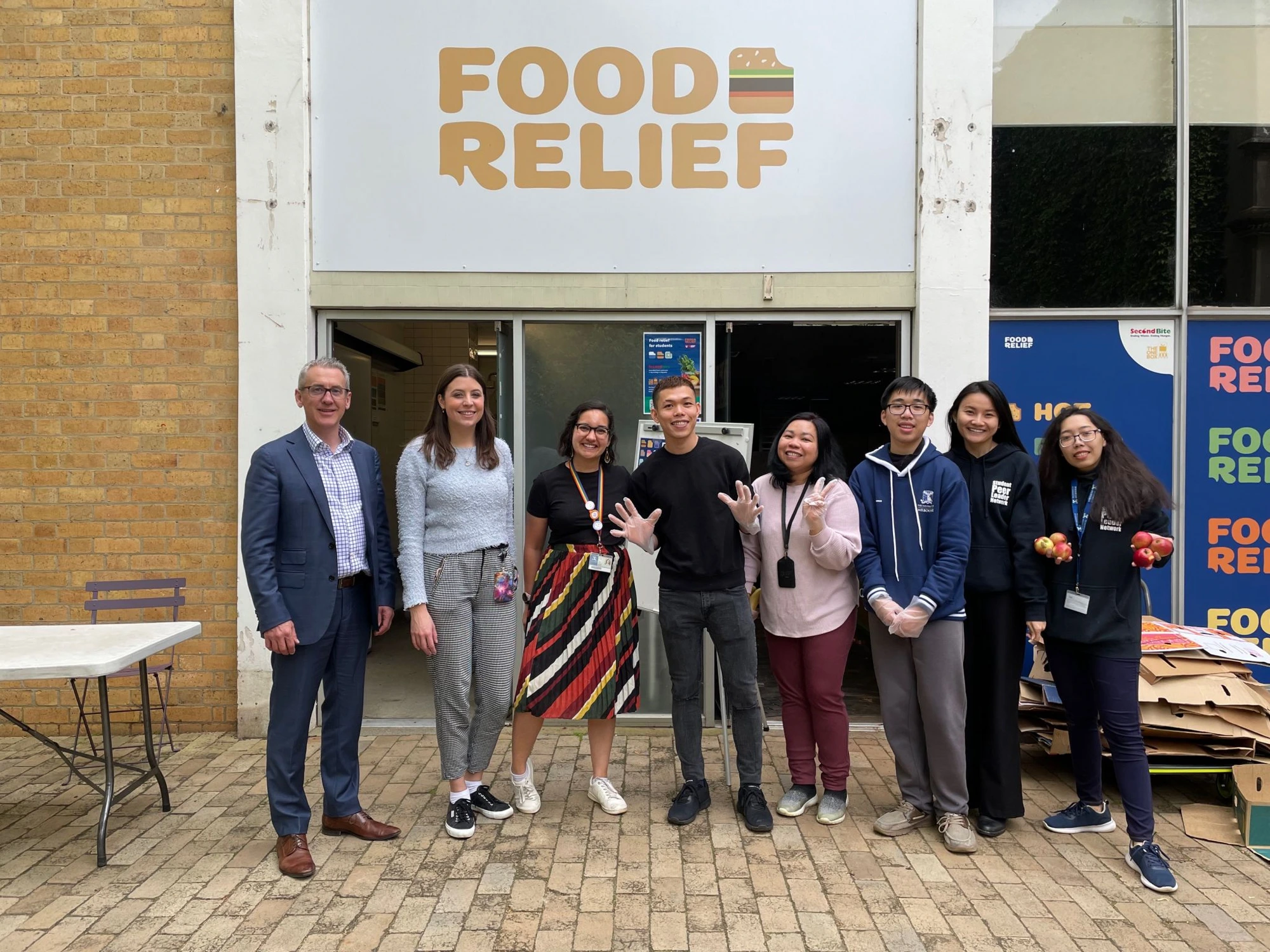
8,000+
Weekly students supported
400+
Rotating volunteers
20×
Growth in participation
12 mo
Solo → full team
Context
University of Melbourne, mid-pandemic. Students were facing a compounding cost-of-living crisis. UMSU had a small emergency food-relief function running out of a carpark — a dignified idea with no operating spine behind it.
Starting situation
One coordinator. Roughly 400 weekly registrations. A folding table, a spreadsheet, and a rotating handful of volunteers. All institutional knowledge lived in one person's head.
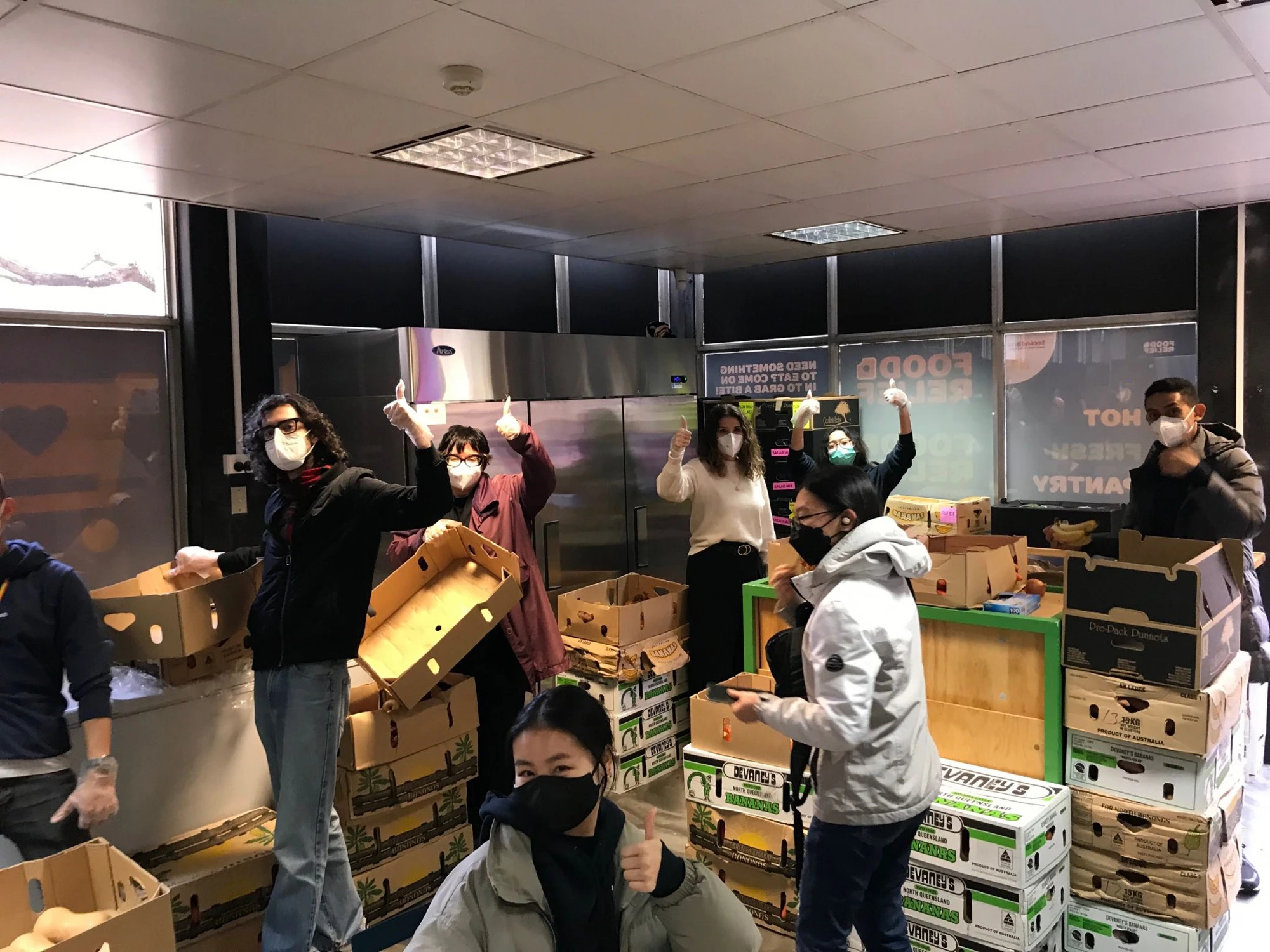
Scale & constraints
Registrations climbed 5× in the first six months. Supplier logistics, volunteer scheduling, hardship triage, referrals and grant reporting all landed on the same coordinator. If that person got sick, the program stopped.
Actions & systems
Redesigned the model as dignified retail — Union Mart. Authored SOPs and video training. Built volunteer rota, CRM and supplier registers. Introduced a referral and hardship-triage flow with Student Services. Documented every workflow so the next coordinator could pick it up on day one.
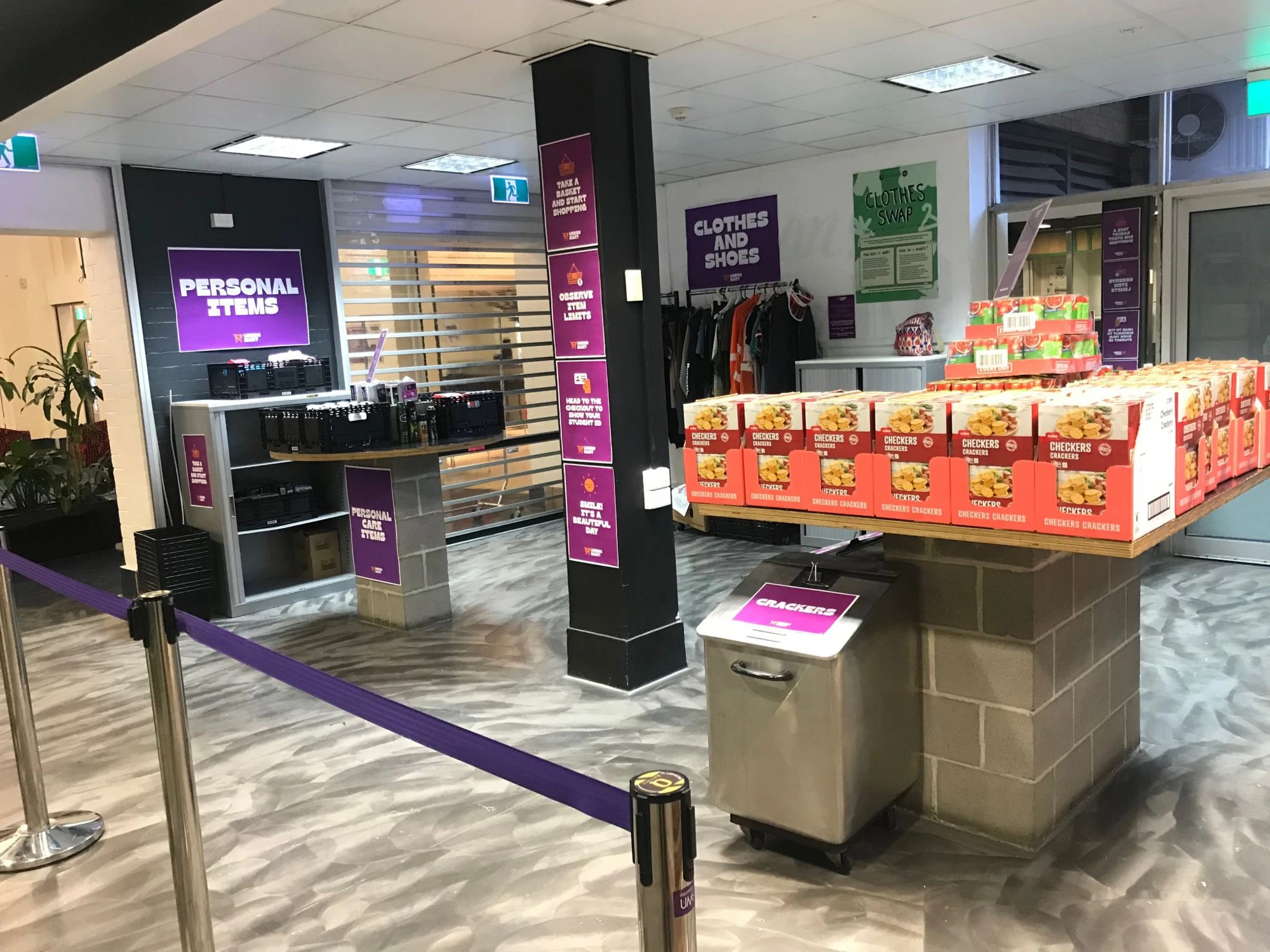
Measured result
8,000+ students supported weekly. 400+ rotating volunteers. 20× growth in participation. Program kept running through weeks when the founding coordinator was unavailable — the operational-continuity test the system had been built for.
Attribution & evidence
The dignified-retail logic began earlier at JJ's Community Support in North Melbourne — a community pantry backed by local press and coordinated with Melbourne Metro YHA. The pattern that scaled to 8,000+ students is the same one the newspaper covered.
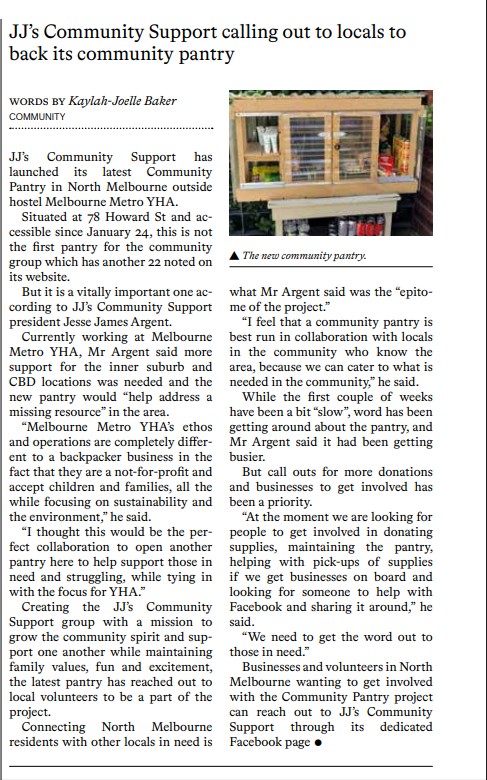
Sustainability
The SOPs, supplier registers, hardship-triage flow and volunteer manual were handed over to full-time UMSU staff. The program has continued to operate at scale after JJ moved on — the definition of built-to-run-without-me.
Related service
This is the operating pattern behind the Program Resilience Audit and the Program & Experience Design engagements — mapping single-point-of-failure risk, documenting what lives in people's heads and rebuilding the workflow so the program outlasts any one coordinator.
See the Resilience AuditMost leaders measure themselves by how essential they are in the room. I measure myself by how quickly the room stops needing me.
Next step
Have a program that shouldn't rely on one person?
This is the case study behind the signature curve.